

The market is volatile.
We stay disciplined.
Choosing a digital asset fund means deciding who will manage your capital and how they will manage risk. Growth seeks long-term capital appreciation across liquid digital assets. Wealth manages a long-term allocation to Bitcoin and Ethereum. Explore the people, process and risks behind each approach.
Once you decide to invest, four questions matter most.
The real difference is what remains yours to manage.
You manage the investment and its practical arrangements.
A managed mandate with named responsibility.
You choose the mandate. The Investment Manager makes portfolio decisions within it. Bitcoin and Ethereum strategies. The Investment Manager makes portfolio decisions within the selected strategy, supported by external administration, formal reporting, and access to the Lunar team.
If professional management is the route you prefer,
the next decision is what you want the manager to do.
What do you want the
manager to do?
Compare Growth’s broader digital asset mandate with Wealth’s long-term Bitcoin and Ethereum allocation.
Growth
assets.
Growth seeks long-term capital appreciation. Its mandate focuses primarily on Bitcoin, Ethereum and selected other large-cap tokens. The manager may adjust positions as market trends and relative prices change. Derivatives are permitted solely for hedging and efficient exposure. Leverage can magnify losses.
Wealth
Wealth manages a long-term Bitcoin and Ethereum allocation, primarily through direct holdings. The manager uses market-cycle assessments and price trends to decide when to build, reduce, hedge or exit positions. A long-term objective does not mean holding every position through every market condition.
Which mandate fits the role you have in mind?
Growth can invest across a broader set of liquid digital assets. Wealth manages a long-term Bitcoin and Ethereum allocation. In both portfolios, the fund and share-class documents determine when you can redeem.
Discuss both in a private briefingProfessional management should reduce the work while keeping you informed.
The Investment Manager makes the portfolio decisions. You should still be able to see where your investment stands and understand material changes.
Managing an investment fund takes more than one kind of experience.
At Lunar, investment leadership, operating leadership, and Fund governance each have a name, a defined role, and a clear line of accountability.

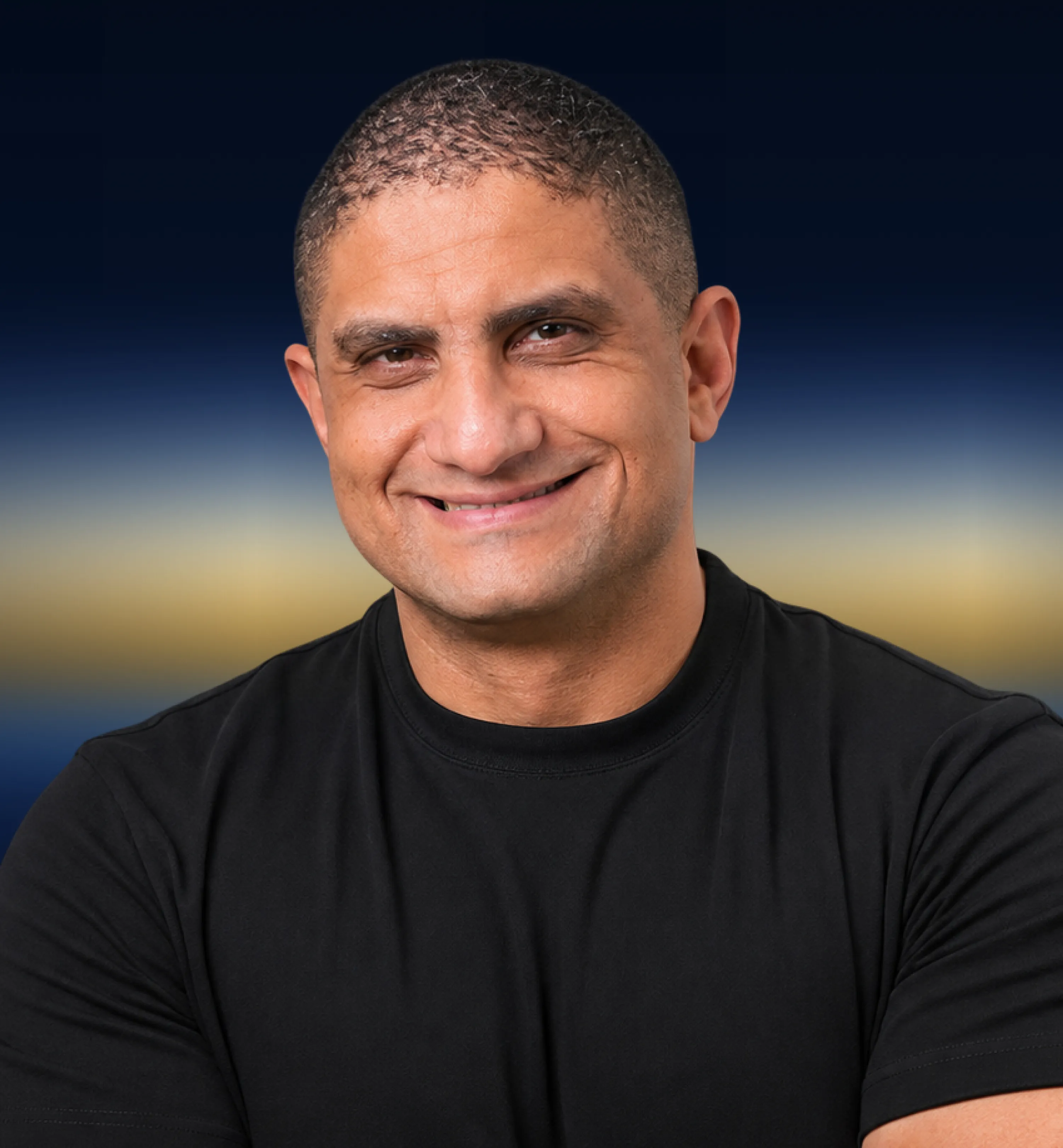
Ahmed Mahdy
Ahmed leads the Investment Manager and the investment direction of Growth and Wealth. His career spans more than 15 years across private banking, traditional asset management, and digital assets, including senior roles serving high-net-worth and institutional clients. At Lunar, he leads investment strategy and portfolio decisions, with a key role in risk management and investor communication.

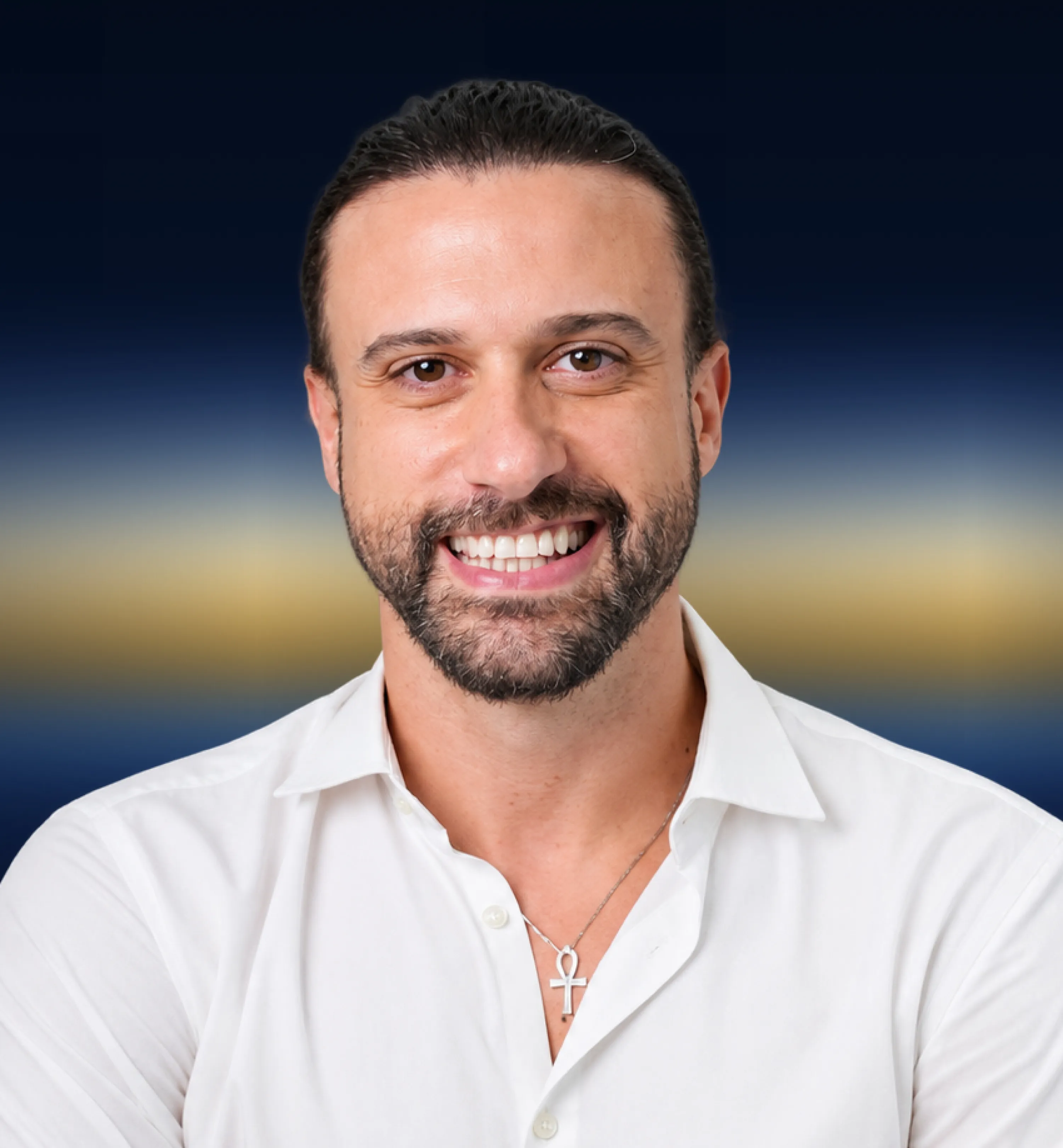
Adam Ziwar
Adam leads the operating model behind Lunar. His career spans nearly two decades across global consumer businesses, regional digital transformation, and entrepreneurship. At Lunar, he leads operating execution, structural coordination, professional-service relationships, and the investor experience.
.webp)
Serdar Aktasli
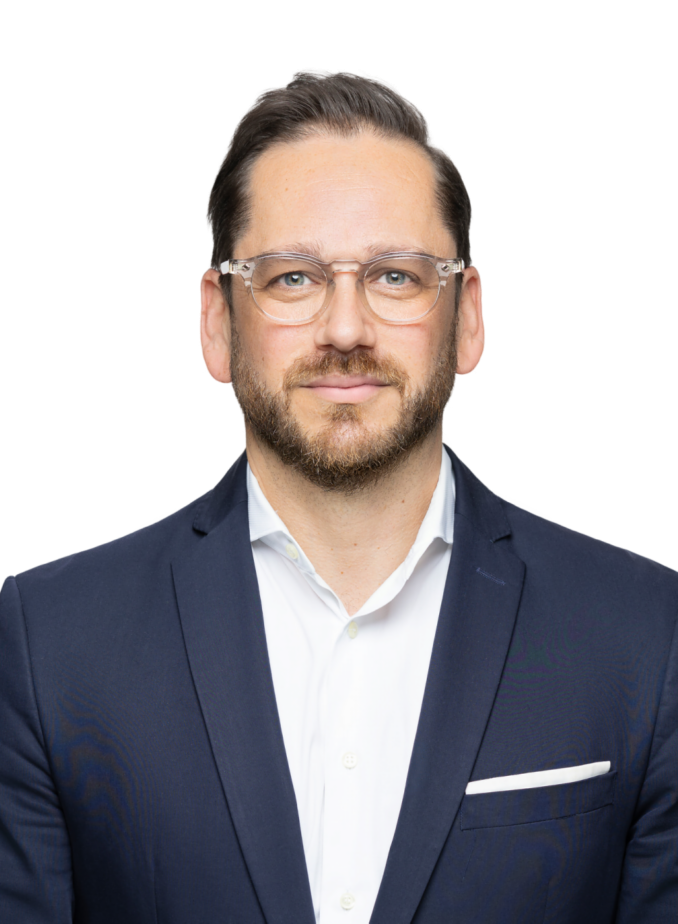
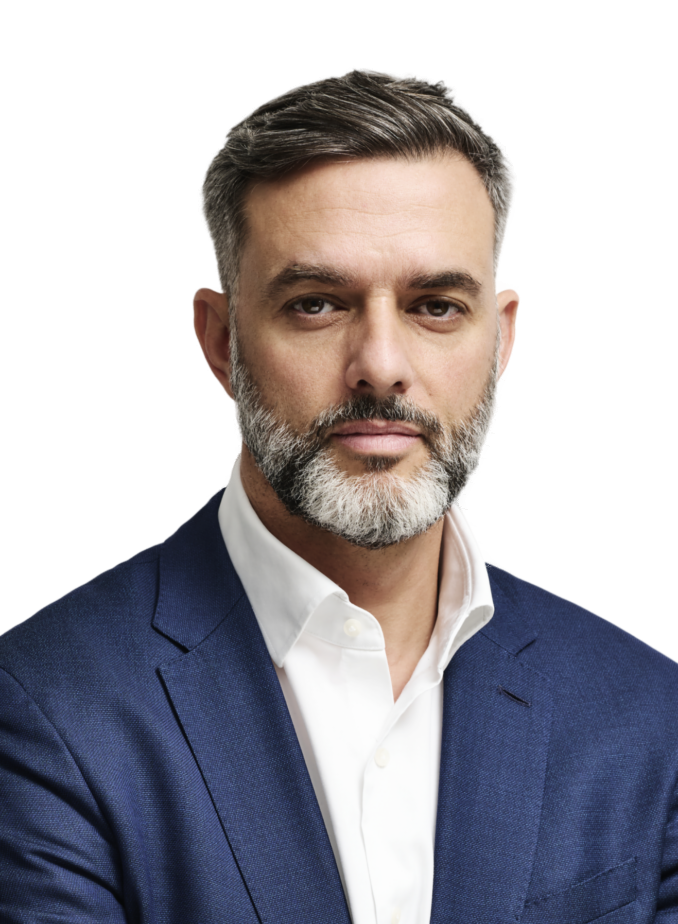
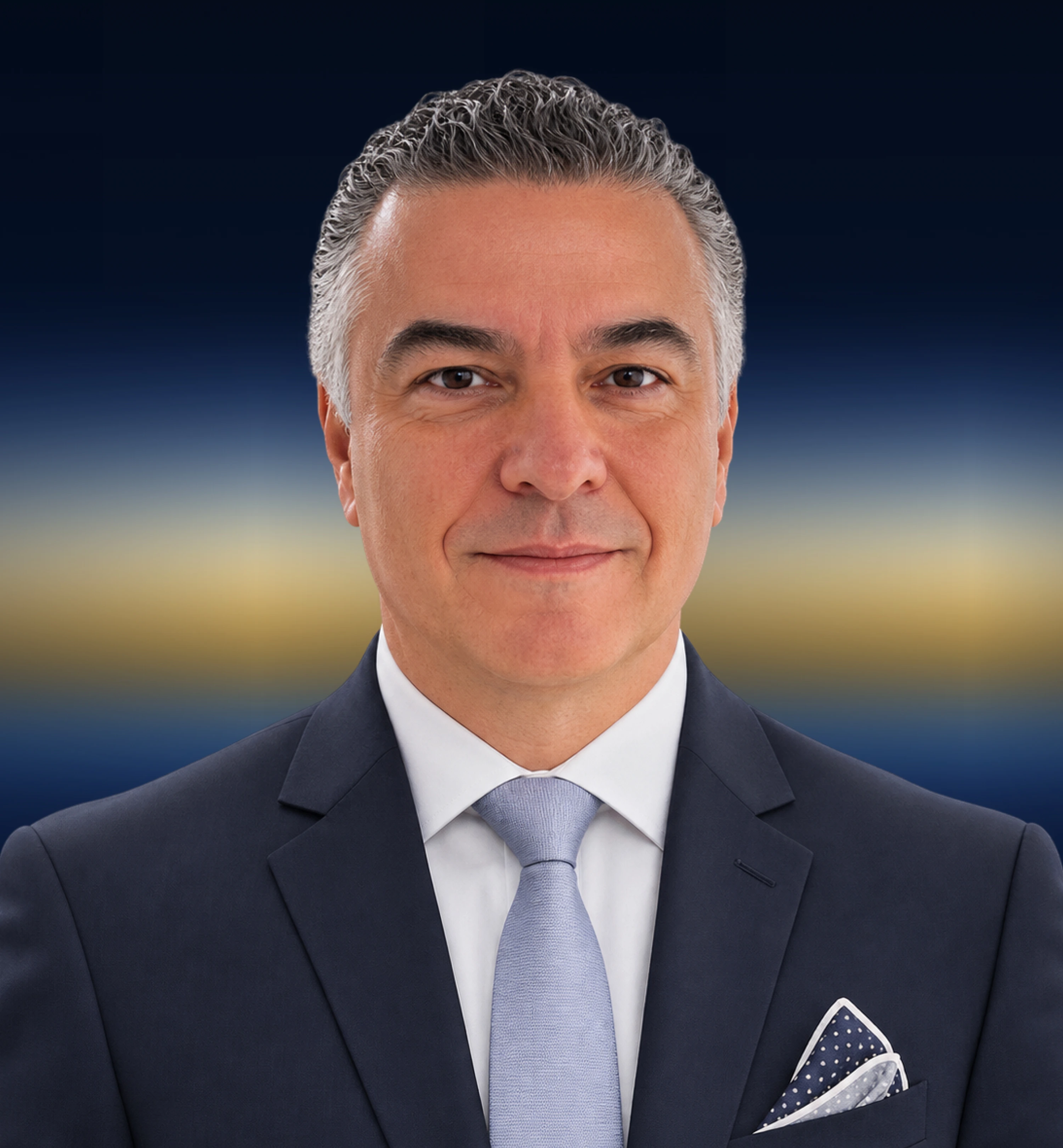
Serdar serves on the Fund’s Board and brings more than 35 years of experience across banking, wealth management, and asset management in Europe and the Middle East. His career includes senior roles at UBS, Vontobel, and Swiss Bank Corporation, as well as the co-founding of New Horizon Capital Management. At Lunar, he contributes financial-services experience and judgment to the governance of the Fund.
You should always know who is responsible for what.
Investment decisions, Board oversight, NAV calculation, investor records, audit, legal work, and custody sit with defined parties.
Perspectives to help you ask better questions
Understand the investment before you commit capital
Talk to us about how Growth and Wealth work, the risks involved, fees, liquidity and the people responsible. Tell us what matters to you and what you would like to understand. We will review your inquiry and, where appropriate, arrange a private briefing or share relevant materials.